Learning German Online

So you want to learn German. Good choice.
German has around 100 million speakers worldwide. That’s not as many as English or Chinese, but it opens doors that you wouldn’t expect. Scientific research, business in Europe, literature — Germans have made their mark in all of these fields.
And honestly? Learning German is also just fun. The language is quirky, the people are interesting, and once you start understanding it, a whole new world opens up.
Learning a language
Let’s be real — learning a new language takes work. German especially, with its cases, genders, and sentence structure that sometimes feels backwards.
But there’s a way to make it easier. Two things, actually.
1. Learn at home

This doesn’t just mean “take lessons from home” (though that helps too). I mean actively use German in your daily environment.
Stick labels on things around your house — der Tisch, die Lampe, das Fenster. When you’re cooking, look up the German names for the ingredients and utensils. When you’re tidying up, narrate what you’re doing in simple German.
One trick that really works: learn nouns together with their articles from day one. Don’t learn “table = Tisch”. Learn “der Tisch”. German children learn this way at school, and it saves you so much pain later with cases.
And yes, taking an online course helps structure all of this. My A1 German Online Group Course is designed exactly for this — to give you a clear path from zero to basic conversation. If you are new to online learning, I also have a checklist of what you need for an online course.
Visit the page A1 German Online Group course, all the info on my German course for beginner.
2. Enjoy what you learn
This sounds obvious, but a lot of people forget it. If you hate what you’re studying, you won’t stick with it.
Find what connects you to German. Love cooking? Get a German cookbook. Into photography? Read German photography blogs. Obsessed with cars? Germany has some of the best car magazines in the world.
When you learn German through something you already enjoy, it doesn’t feel like studying. That’s why my 1:1 conversation lessons work so well — we forget about grammar drills and just talk about things that interest you.
Why learn German?
People ask me this all the time. Here’s what I tell them.
For work. Germany is Europe’s economic engine. If you speak German, you’re not limited to English-speaking jobs. Engineering, finance, tech, healthcare — German companies are everywhere, and they value employees who speak the language. If you need German specifically for your career, my business German course is built around professional communication. The official Make it in Germany portal has detailed information about working in Germany as a foreign professional.
For study. German universities are world-class, and many are free or very affordable. If you want to study in Germany, you’ll need the language — even for English-taught programs, daily life requires German. Most universities also ask for a recognised language certificate like TestDaF or DSH. The DAAD website has detailed information about study options and language requirements for international students.
For travel. Germany is more than just the Oktoberfest and the Brandenburg Gate. When you speak the language, you get past the tourist stuff. You talk to real people, understand the culture, and discover places most visitors never find.
For your brain. Learning German is like a workout for your brain. The grammar is complex enough to keep you mentally sharp. Studies show it improves memory, problem-solving, and even multitasking.
For the culture. German films, music, books — there’s so much that doesn’t translate well. When you speak German, you access it in its original form. And that’s a completely different experience.
For children. If your kids are learning German, early exposure makes a huge difference. I offer German lessons for kids with age-appropriate methods for ages 4 to 14.
For personal growth. Learning a language changes you. It gives you a new perspective, connects you with people you’d never meet otherwise, and makes you more comfortable with being a beginner — which is a skill in itself.
My role as a teacher
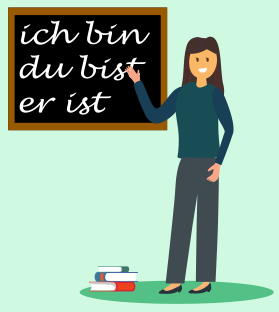
I’ve been teaching German for over 15 years now. In language schools, private settings, group courses, one-on-one — I’ve done it all. And I still love it. You can read more about me if you would like to know my full story, or see my pricing and lesson options to find the right fit for you.
There’s nothing quite like watching a student have that “aha” moment when something clicks. That’s what keeps me going.
A good teacher doesn’t just explain grammar. They motivate, they adapt, they find the right explanation for you. That’s what I try to do every day.
My goal is simple: get you speaking German on your own. Not reciting textbook dialogues. Actually expressing what you want to say.
I offer both private 1:1 lessons for personalised attention and a virtual classroom if you prefer learning in a small group.
Ready to start? Free trial lesson
If this sounds right to you, let’s talk. Get in touch and book a free trial lesson. No pressure, no commitment — just a chance to see if my approach works for you.
For expats living in Germany
If you’ve recently moved to Germany (or planning to), finding a good German tutor is one of the best things you can do. Trust me — I moved from Italy myself, so I know what it’s like.
Daily life becomes so much easier when you can speak the language. Doctor visits, rental contracts, school meetings, dealing with bureaucracy — it’s all smoother in German.
My expat-focused lessons cover exactly these situations. Practical German for real life. We combine grammar with the conversations you actually need to have.
Whether you need German for a family reunion visa, for your job, or just to feel at home — I offer flexible online lessons that fit your schedule.